Auditeurs:
Meilleurs auditeurs :
-
play_arrow
Radio Funk : Webradio Disco, Funk, Soul and Boogie 80
-
 play_arrow
Radio Funk Live Radio Funk


Top 5 Viral Funk & Disco Anthems On Radio Funk

When The Groove Refuses To Die
Close your eyes for a second.
You’re not in 2026 anymore. You’re back in a smoky club, mirrorball spinning, the bass hugging your chest, and the bartender giving you that look that says, “Don’t worry, you’re not going home early tonight.”
That feeling?
That’s the permanent home of Radio Funk, a webradio carved out for pure disco, funk and soul, broadcasting from Paris but wired straight into the global bloodstream of groove lovers. Here, the algorithm doesn’t decide what you hear.
Curators do. DJs do. Vinyl junkies do. And when we look at what really explodes on the station—what gets replayed, requested, replayed again—five tracks keep floating to the top like champagne bubbles.
Today, we’re talking about those five monsters: “Fantasy” by Earth, Wind & Fire, “You’ll Never Find Another Love Like Mine” by Lou Rawls, “Feels So Good” by Delegation, “False Faces” by Billy Paul, and “Funky Junkie” by The Blackbyrds. Not just “popular songs”—they’re emotional landmarks, each carrying a piece of the 1970s–80s funk and disco history inside them.
This article is a deep dive into why these records still own the dancefloor, how they were born, which labels pushed them, and how their DNA runs through modern acts, from Daft Punk to Bruno Mars. And above all, it’s a love letter to the people who never stopped caring about sound quality, full‑length versions, and that human touch you’ll still find on Radio Funk’s live shows and Mixcloud sessions.
Table of Contents
- 1. Why These Five Tracks Still Own The Dancefloor
- 1.1 Radio Funk’s Viral Pulse
- 1.2 The Golden Age Of Funk & Disco
- 2. “Fantasy” – Earth, Wind & Fire: Cosmic Disco Funk
- 2.1 From All ’N All To Eternity
- 2.2 A Pyramid Of Sound And Spirit
- 3. “You’ll Never Find Another Love Like Mine” – Lou Rawls: Philly Soul Perfection
- 3.1 Gamble & Huff And The Sound Of Philadelphia
- 3.2 The Adult Slow‑Burner
- 4. “Feels So Good” – Delegation: British Funk That Got Exported Worldwide
- 4.1 From UK Studios To European Dancefloors
- 4.2 Why It Hits Radio Funk So Hard
- 5. “False Faces” – Billy Paul: Funky Morality Tale From 1979
- 5.1 First Class, Serious Warning
- 5.2 Late‑Night Drama For Soul Heads
- 6. “Funky Junkie” – The Blackbyrds: Jazz‑Funk Students Gone Wild
- 6.1 Donald Byrd’s Groove Laboratory
- 6.2 From Campus To Club
- 7. Key Info Table – Radio Funk Top 5 Anthems
- 8. Labels, Legacy & Modern Echoes Of Funk And Disco
- 9. FAQ – Funk, Disco, Soul & Radio Funk
- 10. Recommended Discography & Essential Playlists
- 11. Conclusion – Press Play, Don’t Apologize
1. Why These Five Tracks Still Own The Dancefloor
1.1 Radio Funk’s Viral Pulse
Radio Funk isn’t a random jukebox. It’s a focused ecosystem built entirely around funk, disco, soul and boogie, with curated shows like the nightly 22:00–23:00 slot dedicated to new releases alongside carefully chosen classics. The station’s own content proudly says it avoids “musical fast food” and plays full tracks from start to finish, no shallow Top 50 recycling.
When you watch what listeners replay and share the most, these five songs burn through the data: they’re constantly sitting at the top of replays, requests, and live chat reactions on Mixcloud Live and simulcasts. They’re not there because of nostalgia alone; they’re there because they still work—on dancefloors, in cars, in headphones, and in late‑night kitchen sessions when you’re drinking something you probably shouldn’t.
Each track embodies a different flavor of the era: cosmic disco, deep Philly soul, British boogie, moral‑story funk, and jazz‑funk fusion. That variety is exactly what keeps Radio Funk’s audience—vinyl collectors, DJs, and hardcore groove fans aged 25 to 70—coming back. They hear history, but they also feel how modern the message still is.
1.2 The Golden Age Of Funk & Disco
The 1970s were a wild jungle of genres, from rock and soul to reggae and early electronic experimentation, but disco and funk carved out a special space built around groove, orchestration, and club culture. Disco crystallized in American nightlife scenes, driven especially by African‑American, Latino and queer communities, with four‑on‑the‑floor drums, lush strings, and bright horns designed for long, continuous club mixes.
Funk, meanwhile, kept harmony simple and rhythm complex: syncopated drums, melodic bass that punches like a drum, choppy guitar “chanks,” call‑and‑response vocals and horn stabs—all locked into an irresistible one‑accented groove. Soul adds the emotional core: gospel‑rooted vocals, handclaps, and strong backbeats, turning dance tracks into storytelling vessels.
These five Radio Funk anthems sit right at the crossroads of those traditions. Earth, Wind & Fire bring cosmic orchestration; Lou Rawls channels Philly’s silky soul; Delegation rides UK studio polish; Billy Paul injects social and emotional commentary; The Blackbyrds fuse jazz education with street‑level funk. If you wanted a mini‑history of 70s–80s funk/disco in five tracks, this would be a pretty lethal starting point.
2. “Fantasy” – Earth, Wind & Fire: Cosmic Disco Funk
2.1 From All ’N All To Eternity
“Fantasy” is taken from Earth, Wind & Fire’s 1977 studio album All ’N All, released on Columbia Records, a record that mixed Egyptian imagery, spiritual themes, and heavy funk‑disco grooves. The song was composed by bandleader Maurice White with Verdine White and Eddie del Barrio, and produced by Maurice himself, who oversaw horn and string arrangements by Tom Tom 84.
The single version of “Fantasy” entered the US charts in late 1977 and hit the Billboard pop chart in 1978, peaking around the low 30s in pop while climbing higher on R&B listings, and reaching the UK Top 10—proof that its universal message and cosmic sound travelled beyond the American club circuit. What makes the track iconic isn’t just its chart history but its concept: Maurice White drew inspiration from the film Close Encounters of the Third Kind, fascinated by the idea of otherworldly communication and universal harmony.
He’s described “Fantasy” as a song about escapism in an unjust, selfish world, offering listeners a place they can escape to—their own fantasy—and he reportedly wrote the lyrics in a single burst of inspiration after seeing the movie. That sense of spiritual urgency bleeds through every chord change and vocal line.
“There is a place that everyone can escape to, which is their own fantasy.” — Maurice White
2.2 A Pyramid Of Sound And Spirit
Musically, “Fantasy” is classic disco funk architecture: a steady drum pulse, deep yet melodic bassline, shimmering rhythm guitars, and a stacked arrangement of horns and strings built like a pyramid. Maurice White described their recording approach as building layers where each section contributes something—rhythm, orchestra, vocals—until the groove becomes a multi‑level structure rather than a flat wall of sound.
Behind the band, a studio engineer like George Massenburg worked to make sure individual parts like guitar and drums remained audible instead of collapsing into mud, even as Maurice pushed for more kick drum and powerful vocals. On top of that, EWF’s signature touch—the African thumb piano kalimba—added an earthy texture that connected their cosmic themes to African musical roots, something Maurice embraced across albums like Raise.
For Radio Funk listeners, “Fantasy” isn’t just a track; it’s a ritual opener. You put this on at the beginning of a set when you want to say, “Tonight, we’re not just dancing. We’re traveling.” The falsetto vocals from Philip Bailey, the key changes, the choral sections—they all scream “anthem,” and that’s why this cut keeps spiking in our live show stats and Mixcloud replays.
3. “You’ll Never Find Another Love Like Mine” – Lou Rawls: Philly Soul Perfection
3.1 Gamble & Huff And The Sound Of Philadelphia
If “Fantasy” is cosmic, “You’ll Never Find Another Love Like Mine” is intimate and brutally honest. Written by legendary producers Kenny Gamble and Leon Huff, the track appears on Lou Rawls’ 1976 album All Things in Time and quickly became his biggest hit. Released under Philadelphia International Records, the single climbed to number 1 on the US R&B and Easy Listening charts, hit number 2 on the Billboard Hot 100, and reached the dance chart Top 10.
The song sold over a million copies and was certified gold by the RIAA, marking Rawls’ one and only appearance in the pop Top Ten despite his long career and more than 70 albums. It’s often cited as one of the first major breakthrough hits for Philadelphia International Records, the label founded by Gamble & Huff that reshaped 70s soul with lush arrangements and socially aware lyrics.
Philly soul, defined by sweeping strings, tight rhythm sections and silky harmonies, heavily influenced disco’s orchestral elegance, merging emotional storytelling with club‑ready grooves. “You’ll Never Find Another Love Like Mine” sits right at that junction: part heartbreak, part seduction, part quiet threat delivered over a mid‑tempo groove that never loses its danceable pulse.
“The Sound of Philadelphia married socially conscious and romantic songwriting with studio precision.”
3.2 The Adult Slow‑Burner
This track isn’t made for kids. It’s for people who’ve lived, lost, and know exactly how dangerous it is when someone calmly tells you that you’ll never find another love like theirs. The tempo sits in that sweet spot between slow jam and dancefloor stepper, letting you sway, close your eyes, or two‑step with a drink in hand.
Musically, you get classic Philly signatures: subtle four‑on‑the‑floor kick, melodic bass that carries the emotion as much as the vocals, warm electric piano, and a string section that rises and falls like internal monologue. Lou Rawls’ voice glides from conversational baritone to full‑throated soul, supported by Gamble & Huff’s immaculate production and Bobby Martin’s arrangements.
On Radio Funk, this tune acts as emotional glue—it often appears in sets when the energy needs to be intense but not frantic, when we’re moving from heavy funk cuts into smoother soul territory. It’s also a reference point for modern artists who use retro soul aesthetics: you can hear echoes of this kind of lush, romantic groove in contemporary R&B and in some of the neo‑disco pop that borrows 70s strings and basslines.
4. “Feels So Good” – Delegation: British Funk That Got Exported Worldwide
4.1 From UK Studios To European Dancefloors
Delegation are a British group formed in the mid‑70s, blending soul, funk, R&B and disco into a smooth, radio‑friendly sound. Founded around Ricky Bailey, Len Coley and Roddy Harris, they worked closely with producer and songwriter Ken Gold, known for crafting soulful pop hits for acts like The Real Thing and Billy Ocean. Their first album The Promise of Love dropped in 1977 and set the tone: polished vocals, strong lyrics, and arrangements that worked equally well on radio and in clubs.
Throughout the late 70s and early 80s, Delegation released albums like Eau De Vie and Delegation II, scoring international success with tracks such as “Heartache #9”, “You and I” and “Put a Little Love on Me,” particularly in Europe, where their sound found a loyal following. “Feels So Good (Loving You So Bad)” appears in their early‑80s output; it’s listed on streaming platforms as an around‑1981 cut with a runtime under four minutes, part of a catalog that kept them present in dance and soul charts even as musical trends shifted.
For many Radio Funk listeners, Delegation represent that uniquely European take on funk and disco—not American funk per se, but a transatlantic interpretation with slick arrangements and slightly different harmonic choices.
4.2 Why It Hits Radio Funk So Hard
“Feels So Good” hits right where grown‑up romance meets dancefloor release. The groove is tight but not overly aggressive, giving you plenty of space to move without losing the melodic sweetness that defined Delegation’s style. The track’s blend of mid‑tempo rhythm, catchy chorus and warm backing vocals makes it perfect for Radio Funk’s audience, who want songs with feeling, not just anonymous beats.
Ken Gold’s production ethos—smooth, polished, emotionally direct—is all over the Delegation catalog, and that sensibility translates beautifully in modern sets where DJs mix vintage boogie with contemporary nu‑disco. In our playlists, “Feels So Good” often sits near tracks that flirt with pop but keep a solid groove engine, acting as a bridge between harder funk cuts and more soulful material.
For DJs, the track is a utility weapon: you can drop it early in the night to warm people up, or later as a breather between more intense records. And because Delegation’s sound has been sampled and referenced in later dance music—including remixes and samples of hits like “Heartache #9”—there’s a subtle familiarity even for younger listeners who might not know the original by name.
5. “False Faces” – Billy Paul: Funky Morality Tale From 1979
5.1 First Class, Serious Warning
Billy Paul is forever associated with “Me and Mrs. Jones,” but “False Faces” proves he had much more to say about relationships and trust. The track appears on his 1979 album First Class, released on Philadelphia International Records and written by Gamble, Huff and C. Gamble—placing it firmly within the Philly soul and disco orbit.
By 1979, disco was nearing its commercial peak and backlash, but the Philly camp was still refining their mix of groove and social commentary. “False Faces” rides a funk‑leaning rhythm, with sharper edges than some of the smoother love ballads, and lyrics that call out hypocrisy, masks, and emotional manipulation. Billy Paul’s vocal delivery, always passionate and slightly raw, turns the song into a bit of a sermon on authenticity.
The Gamble & Huff production universe used extended chords, orchestral textures and tight rhythm sections to explore both romantic and societal themes, and “False Faces” lives in that tradition—except here, the sermon is aimed straight at the dancefloor. On Radio Funk, this cut often surfaces in sets that lean into message music: tracks that groove hard but say something very clear about how we live and love.
5.2 Late‑Night Drama For Soul Heads
“False Faces” feels like a late‑night record. It’s the track you put on when the room is already warm, drinks are poured, and people are ready for songs that cut a little deeper. The tempo supports dancing, but the lyrics demand attention, and Billy Paul’s delivery pulls you into the story.
Musically, you still hear the Philly soul tools—strings, horns, disciplined rhythm section—but the arrangement leans a bit closer to funk, with bass and drums driving the song forward and leaving more space for vocal intensity. That hybrid is exactly what makes the track perfect for Radio Funk: our audience loves stories, and they love grooves that don’t collapse into syrup.
In programming terms, “False Faces” is often placed around other morally charged tracks or socially conscious funk, forming arcs where the music talks about trust, community, authenticity—the same themes that run through a lot of soul and funk history. You can feel its resonance in later genres too: hip‑hop and R&B artists who sample Philly material often gravitate to this kind of emotionally charged palette.
6. “Funky Junkie” – The Blackbyrds: Jazz‑Funk Students Gone Wild
6.1 Donald Byrd’s Groove Laboratory
The Blackbyrds are a Washington, D.C.‑based group formed in 1973, assembled by jazz trumpeter Donald Byrd using students from Howard University’s music department. Original members included Kevin Toney (keyboards), Keith Killgo (drums and vocals), Joe Hall (bass), Allan Barnes (reeds) and Barney Perry (guitar), with other musicians joining later. Byrd’s goal, as described in retrospective interviews, was to “bridge the gap between academia and the real world” by exposing students to the full spectrum of the music industry.
They signed with Fantasy Records in 1973 and released a series of jazz‑funk albums—The Blackbyrds, Flying Start, City Life, Unfinished Business, Action and Better Days—scoring Grammy‑nominated hits like “Walking in Rhythm” and earning gold records in the process. “Funky Junkie” appears on their self‑titled debut album, recorded at Fantasy Studios in Berkeley and originally released in 1974, with credits listing Donald Byrd as writer and a full ensemble of young musicians on bass, drums, guitar, keyboards, sax and percussion.
Critics and fans often highlight The Blackbyrds as a perfect example of jazz‑funk fusion, blending serious instrumental skill with groove‑oriented, dance‑friendly compositions.
6.2 From Campus To Club
“Funky Junkie” sounds exactly like what its title promises: raw, energetic, slightly mischievous funk with jazz‑level playing. The rhythm section is tight, guitar riffs bounce between lead and rhythm, and the horn lines ride the groove like a conversation among friends who know each other’s timing down to the millisecond.
Zikorama’s jazz‑funk profile of The Blackbyrds describes their discography as leaning heavily toward groove funk, while still retaining enough jazz elements to qualify them as fusion pioneers, inspiring later British groups like Light of the World and Incognito. Their tracks have been widely sampled by hip‑hop artists such as Tupac Shakur and Gang Starr, underscoring how their 70s output became a goldmine for future beatmakers.
On Radio Funk, “Funky Junkie” is pure oxygen. It’s a track DJs use when they want to prove that students and “serious musicians” can be the funkiest people in the room. The cut often anchors jazz‑funk segments in our shows, sitting alongside other Fantasy Records material and modern reissues that celebrate this era’s fusion of technique and groove.
“The fusion of jazz and funk was an obvious way for these pioneer artists to express their festive creativity without denying jazz’s demands.”
7. Key Info Table – Radio Funk Top 5 Anthems
Here’s a quick snapshot of the five tracks that keep exploding on Radio Funk.
| Track | Artist | Year / Album | Label | Mood & Perfect Moment |
| Fantasy | Earth, Wind & Fire | 1977, All ’N All | Columbia Records | Cosmic anthem; opener for deep, spiritual disco sets. |
| You’ll Never Find Another Love Like Mine | Lou Rawls | 1976, All Things in Time | Philadelphia International Records | Adult slow‑burner; perfect for late‑night soul sessions. |
| Feels So Good (Loving You So Bad) | Delegation | Early 1980s single (~1981) | Associated with Ariola/State Records era | Smooth boogie; bridge between hard funk and sweet soul. |
| False Faces | Billy Paul | 1979, First Class | Philadelphia International Records | Funky warning; ideal for message‑driven funk segments. |
| Funky Junkie | The Blackbyrds | 1974, The Blackbyrds | Fantasy Records / BGP reissue | Jazz‑funk explosion; used to ignite serious groove heads. |
8. Labels, Legacy & Modern Echoes Of Funk And Disco

Key Labels That Built This Sound
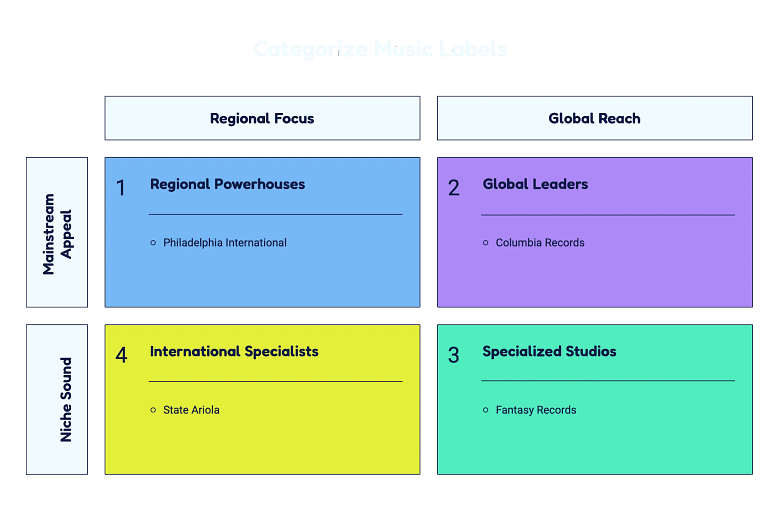
- Philadelphia International Records (PIR) – Home to Lou Rawls, Billy Paul, The O’Jays, Harold Melvin & The Blue Notes and many others, PIR redefined 70s soul with orchestral arrangements and the “Sound of Philadelphia.”
- Fantasy Records – West Coast label that signed The Blackbyrds and released several jazz‑funk albums recorded at Fantasy Studios in Berkeley, blending academic jazz chops with groove‑heavy production.
- Columbia Records – Released Earth, Wind & Fire’s All ’N All, supporting the band’s blend of spiritual, Egyptian and cosmic imagery with polished, radio‑ready production.
- State / Ariola Records – Associated with Delegation’s 70s–80s output, including albums like The Promise of Love and Eau De Vie that helped British soul and funk gain traction internationally.
These labels did more than press records; they built sonic identities—Philly’s lush soul, Fantasy’s jazz‑funk, Columbia’s global crossover—which still influence how we program Radio Funk today.
Modern Artists Carrying The Torch
The 70s are often described as the decade that had “the most influence on modern music,” with disco and funk aesthetics reappearing in everything from indie rock to mainstream pop. You can hear vintage disco’s layered electric instruments, syncopated basslines and repetitive vocals in works like Daft Punk’s Random Access Memories, which explicitly collaborates with Nile Rodgers of Chic, one of disco’s original architects.
Similarly, artists like Bruno Mars, Robin Thicke and Kanye West have embraced 70s funk and disco textures—horns, claps, warm bass, analog‑style synths—within contemporary R&B and hip‑hop frameworks. Broken Bells’ After the Disco leans into disco‑inspired bass and soaring vocals, proving that the genre’s melodic and rhythmic language still feels fresh decades later.
Radio Funk reflects that bridge. Alongside the vintage cuts, the station’s schedule includes modern releases in the 22:00–23:00 slot, letting new funk and disco‑inspired artists sit right next to Earth, Wind & Fire or The Blackbyrds, so you can hear the lineage in real time.
Radio Funk, Mixcloud And The AI Lab
Radio Funk pushes this heritage through several channels: the main webradio, live shows on Mixcloud, and experimental AI‑driven projects on Radio Funk Lab. The AI lab streams 24/7 disco‑funk compositions generated by algorithms, inviting listeners to compare them with human DJ sets built from vinyl and carefully curated selections.
The station explicitly positions its Mixcloud presence as the refuge for purists—humans selecting and mixing rare records, full‑length tracks, and analog warmth—while the AI lab serves as a playground exploring the future of funk. That tension between machine and human makes the old records feel even more alive: when you hear “Fantasy” or “Funky Junkie” after an AI‑generated track, you instantly notice the difference in emotional weight and performance.
In short, Radio Funk isn’t a museum. It’s a laboratory where funk, disco and soul history continues to evolve, but always with respect for the original artists and labels that built the foundation.
9. FAQ – Funk, Disco, Soul & Radio Funk
Q1: Why do these five tracks get played so often on Radio Funk?
They consistently rank among the station’s most replayed and engaged cuts, combining strong grooves, emotional depth, and historical significance—from EWF’s cosmic funk to Philly soul balladry and jazz‑funk fusion.
Q2: Are these songs more disco, funk, or soul?
Each track blends multiple elements: “Fantasy” is disco‑funk with spiritual overtones, Lou Rawls leans Philly soul with disco chart success, Delegation brings boogie‑style funk, Billy Paul mixes funk rhythm with soul storytelling, and The Blackbyrds deliver jazz‑funk.
Q3: What’s special about Philadelphia International Records in this story?
PIR, led by Gamble & Huff, created the “Sound of Philadelphia,” a lush, orchestrated soul style that strongly influenced disco and produced hits for Lou Rawls and Billy Paul, including “You’ll Never Find Another Love Like Mine” and “False Faces.”
Q4: How did The Blackbyrds differ from other funk bands?
They emerged from a university context under Donald Byrd’s mentorship, combining academic jazz training with funk grooves, resulting in sophisticated yet danceable tracks like “Funky Junkie” that later attracted hip‑hop samplers and fusion fans.
Q5: Where can I listen to Radio Funk and these tracks?
You can listen to Radio Funk’s webradio schedule via its website and catch live sets and replays on Mixcloud, where the station emphasizes full tracks, no zapping, and curated disco‑funk‑soul selections.
Q6: How does Radio Funk use AI without killing the human DJ?
Radio Funk Lab on YouTube runs a 24/7 AI experiment generating disco‑funk, but the station openly frames it as a test, inviting you to compare the AI’s flow with human DJs on Mixcloud who play rare vinyl and analog selections—highlighting that the human still transcends.
10. Recommended Discography & Essential Playlists
Recommended Albums & Compilations
- Earth, Wind & Fire – All ’N All (1977): Includes “Fantasy” and “Serpentine Fire,” wrapped in Egyptian and cosmic imagery, a cornerstone of late‑70s funk‑disco.
- Lou Rawls – All Things in Time (1976): Features “You’ll Never Find Another Love Like Mine,” the defining hit of his career and a showcase of PIR’s lush sound.
- Billy Paul – First Class (1979): Houses “False Faces” and other tracks that blend love themes with sharper commentary under the Gamble & Huff umbrella.
- The Blackbyrds – The Blackbyrds (1974): Debut album with “Funky Junkie,” a blueprint for jazz‑funk and a must‑own for anyone serious about groove.
- Delegation – The Promise of Love / Eau De Vie: Early albums that capture their UK soul‑funk style and set the stage for tracks like “Feels So Good (Loving You So Bad).”
Essential Playlists For Deep Diggers
- Radio Funk – Full Tracks, Start To Finish: The station’s Mixcloud profile offers long, uncut sets of disco, funk, soul, New Jack Swing and more, curated by real DJs.
- Philadelphia International Records Playlists: Official and fan playlists highlight the PIR catalog, from The O’Jays and Teddy Pendergrass to Lou Rawls and Billy Paul.
- Jazz‑Funk & Fusion Essentials: Collections focused on The Blackbyrds, George Duke‑produced sessions, and other Fantasy Records releases showcase the jazz‑funk side of the era.
- Radio Funk 22:00–23:00 New Releases: The nightly show dedicated to fresh funk and disco tracks, mixing modern cuts with vintage references, is a perfect entry point if you want your history and your present in one place.
If you’re serious about funk artists, these playlists and albums form a skeleton key for understanding the sound that still powers clubs, radios, and live streams worldwide.
Press Play, Don’t Apologize
It’s easy to treat the 70s and 80s as nostalgia wallpaper. Put a random “disco classics” playlist on, sip something sweet, and let the mirrorball clichés do the rest. But the five tracks at the heart of Radio Funk’s viral pulse—“Fantasy,” “You’ll Never Find Another Love Like Mine,” “Feels So Good,” “False Faces,” “Funky Junkie”—refuse to stay in the background.
They’re not just old songs. They’re living documents of how funk, disco and soul evolved: labels taking risks, producers sculpting orchestras, jazz students turning lessons into sweat, singers laying out uncomfortable truths over basslines meant for dancing.
Their DNA runs through modern records, AI experiments, festival sets and every carefully curated Radio Funk show that still believes in full‑length tracks and human ears.
So here’s the invitation: don’t just read about them. Discover the music. Put on “Fantasy” when you need escape, Lou Rawls when you want grown‑up romance, Delegation when you’re flirting with the dancefloor, Billy Paul when you’re ready for truth, and The Blackbyrds when you want to see what happens when jazz brains go full funk.
Then, when you’re ready, tune into Radio Funk, hit the Mixcloud streams, and let the station prove—track after track—that the golden age of funk, disco and soul isn’t over. It’s just moved online, waiting for you to press play.
This is Mr Radio Funk, signing off.
And remember if your set doesn’t make the floor shake, you’re already a ghost.
Peace out, survivors.
Stream now on Apple podcast, subscribe to Radio Funk Lab on YouTube, and if you’re really stuck in the Stone Age, visit our human DJs on Mixcloud & Twitch
Final warning: After this, your excuses won’t age like wine they’ll just curdle.
Articles similaires
![[Podcast artwork 75501] Radio Funk chat Lab EP 03: When AI Outplays the DJs at Their Own Game](https://mlwxwdbr2dir.i.optimole.com/w:770/h:770/q:mauto/ig:avif/https://radiofunk.radio/wp-content/uploads/2026/03/1773845263277-54934738-aa40-4518-9078-92cee18dff21.jpeg "Comment le chat est-il arrivé sur Terre ? 28")
Latest news
Now on air
Upcoming shows
Top Funk
-

1
play_arrowThe Life of the Party
-
2
play_arrowHoney Love
-
3
play_arrowI Can't Help It
-
4
play_arrow(You Were Made) Especially for Me
-
5
play_arrowDancing Machine
-