Auditeurs:
Meilleurs auditeurs :
-
play_arrow
Radio Funk : Webradio Disco, Funk, Soul and Boogie 80
-
 play_arrow
Radio Funk Live Radio Funk

Funk Music Groove, Culture, and Legacy in the Modern Era
Executive Summary
Funk music is a rhythm-centric genre that emerged in African American communities in the mid‑1960s, fusing soul, rhythm and blues, jazz, and gospel into a new, dance‑driven sound built on groove rather than melody.
Pioneered by artists such as James Brown, Sly and the Family Stone, and Parliament‑Funkadelic, funk reshaped popular music through its emphasis on syncopation, bass‑led arrangements, and interlocking rhythmic parts.
Beyond its musical innovations, funk became a vehicle for cultural expression, Black pride, and social commentary, influencing global culture, fashion, language, and dance while laying foundations for disco, hip‑hop, modern R&B, and electronic music.
Today, funk remains a core source of samples, stylistic references, and dance vocabulary in contemporary pop and club culture, offering ongoing creative and commercial opportunities for artists, curators, and brands.
Origins and Historical Context Funk Music
Funk originated in the United States during the mid‑1960s as African American musicians pushed beyond existing soul and R&B forms toward a more rhythm‑oriented, groove‑based approach.
James Brown’s shift in 1965 toward a stripped‑down, percussive ensemble sound, with a strong emphasis on the downbeat (« the One »), is widely recognized as a defining moment in the birth of funk.
Brown’s recordings such as “Papa’s Got a Brand New Bag” and later “Sex Machine” exemplify the move away from complex chord changes toward vamps on a single chord, creating space for drums, bass, and rhythm guitar to drive the music.
Parallel developments by bands like Sly and the Family Stone and The Meters expanded the template, integrating rock, psychedelia, and New Orleans rhythm traditions into the emerging funk language.
Social and political backdrop
Funk’s rise coincided with the Civil Rights Movement, the Black Power era, anti–Vietnam War protests, and the broader counterculture of the late 1960s and 1970s.
Lyrics in key funk recordings addressed themes of Black pride, self‑determination, urban reality, and social critique, positioning the genre as both dance music and political commentary.
Tracks such as “Say It Loud – I’m Black and I’m Proud” made explicit the link between funk’s powerful grooves and the assertion of African American identity, while live performances, fashion, and dance styles expressed a broader aesthetic of freedom and resistance.
Musical Characteristics of Music Funk
Funk is defined more by rhythm and feel than by traditional melodic or harmonic complexity.
The genre typically de‑emphasizes chord progressions, instead building songs around repetitive vamps that allow the rhythm section and horns to create intricate, interlocking patterns.
Core musical characteristics include:
- Emphasis on “the One”: Heavy accent on the first beat of each measure, particularly in the drum and bass parts, creating a grounded, driving groove.
- Syncopation and rhythmic displacement: Off‑beat accents and shifted emphases across drums, bass, guitar, and keyboards generate a sense of forward motion and tension.
- Prominent bass lines: The electric bass becomes a lead instrument, often using percussive techniques (such as Larry Graham’s slap style) and repetitive riffs.
- Interlocking parts (“the groove machine”): Each instrument plays a relatively simple pattern that locks with others to form a complex overall texture, sometimes described as “rhythmic mosaic.”
- Horn stabs and riffs: Brass and saxophones punctuate the groove with short, rhythmic phrases rather than long melodic lines.
These musical traits make funk one of the most danceable genres in modern music history and provide source material that adapts easily to sampling and remixing.
Key Artists and Canonical Works
While funk is the product of many communities, several artists and ensembles have become canonical.
- James Brown and The J.B.’s: Established the funk beat and codified emphasis on the One, with landmark tracks such as “Papa’s Got a Brand New Bag,” “Cold Sweat,” and “Sex Machine.”
- Sly and the Family Stone: Blended funk, rock, and psychedelic soul, foregrounding multiracial, mixed‑gender band identity and bass innovations by Larry Graham.
- Parliament‑Funkadelic (P‑Funk): Under George Clinton’s direction, expanded funk into a conceptual universe, combining science‑fiction narratives, elaborate stage shows, and dense, psychedelic grooves.
- The Meters: New Orleans group whose tight, largely instrumental early recordings helped refine the core rhythmic vocabulary of funk.
- Earth, Wind & Fire, Kool & the Gang, Ohio Players, Chic: Bands that bridged funk and mainstream pop/disco, contributing to funk’s dominance in the 1970s charts.
These artists’ catalogs continue to be widely sampled and referenced in hip‑hop, R&B, and dance music, demonstrating funk’s durability as a creative resource.

Cultural Impact and Global Reach
Funk has functioned as more than a musical style; it has been a cultural language expressing collective identity, pleasure, and resistance.
For African American communities in particular, funk offered a sonic space where everyday struggles and aspirations could be articulated through grooves, call‑and‑response vocals, and community dance practices.
Over time, funk aesthetics spread globally, influencing local scenes and cross‑cultural collaborations.
Cover bands and dance troupes around the world—from Russia to Japan—have adopted funk repertoires and movement vocabularies, demonstrating the genre’s universal appeal despite its specific historical roots.
Elements of funk can be heard in contemporary pop hits that borrow its rhythmic sensibility and bass‑driven feel, even when the label “funk” is not explicitly used.
Funk’s Relationship to Other Genres
Funk has acted as a major bridge between earlier African American styles and later developments in popular music.
Disco, boogie, and dance music
Funk’s emphasis on groove, repetition, and bass provided a foundation for the rise of 1970s disco, where orchestral arrangements and four‑on‑the‑floor drum patterns met funk‑style bass lines and rhythm guitar.
Later, boogie and post‑disco styles integrated synthesizers and drum machines while largely retaining funk’s harmonic language and rhythmic feel.
Hip‑hop and sampling culture funk music
From the late 1970s onward, DJs and producers in early hip‑hop relied heavily on funk records for breakbeats and loops, particularly drum and bass passages that could be isolated and extended.
The extensive sampling of James Brown, P‑Funk, and other funk catalogs helped to define the sound of 1980s and 1990s rap, as in the evolution of the G‑funk style on the U.S. West Coast.
Rock, pop, and neo‑soul
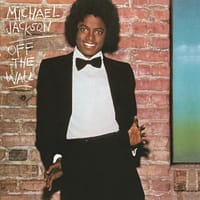
Rock musicians incorporated funk groove concepts into subgenres such as funk rock and funk metal, while pop artists from Michael Jackson to modern acts like Bruno Mars have used funk‑inspired rhythms and bass lines in globally successful singles.
Neo‑soul and contemporary R&B also draw on funk’s rhythmic and textural palette, recontextualizing its grooves in smoother, often more harmonically dense frameworks.
Contemporary Relevance and Opportunities
Although dedicated funk bands are less prominent on mainstream charts than in the 1970s, the genre’s aesthetic DNA remains deeply embedded in contemporary music, film scores, advertising, and video games.
Streaming platforms and digital distribution have made classic funk catalogs more accessible worldwide, while curated playlists, reissues, and niche radio/web channels continue to sustain and grow specialist audiences.
Key contemporary dynamics include:
- Sampling and interpolation: Ongoing use of classic funk breaks and riffs in hip‑hop, EDM, and pop production.
- Sync licensing: Frequent placement of funk and funk‑inspired tracks in film, TV, and advertising to evoke energy, authenticity, or retro atmosphere.
- Revival scenes and festivals: Regional and international events celebrating funk, soul, and related genres, often blending original artists with new bands inspired by 1970s sounds.
- Online communities: Social media, streaming communities, and specialist blogs that share rare tracks, discuss history, and support reissues and new releases.
These dynamics create opportunities for artists, labels, curators, and brands to engage audiences through funk‑based storytelling and sound design.
Strategic Implications for Stakeholders
Artists and producers
For contemporary artists, funk offers a toolkit of rhythmic, harmonic, and textural strategies that can differentiate their work in crowded digital marketplaces.
Leveraging authentic funk elements—tight rhythm sections, live horns, and groove‑first songwriting—can help recordings stand out against heavily quantized, grid‑based productions.
At the same time, respecting funk’s cultural origins and acknowledging its roots in African American experience is essential to avoid superficial pastiche or cultural appropriation.
Collaboration with musicians steeped in funk traditions, as well as engagement with historical recordings and scholarship, can support more informed creative choices.
Curators, broadcasters, and platforms
Curators and broadcasters, including web radios and streaming playlist editors, can use funk as both a core format and a bridge between eras and styles.
Programming that juxtaposes classic 1970s tracks with modern funk‑influenced releases can reveal stylistic continuities and introduce younger listeners to foundational artists.
Niche channels dedicated to funk, boogie, and related subgenres are well positioned to serve engaged global communities seeking deeper cuts beyond mainstream algorithmic recommendations.
Story‑driven content—such as themed shows, historical deep dives, or region‑focused episodes—can further enhance listener loyalty and differentiate platforms.
Brands and media producers funk music
Brands and media producers frequently turn to funk‑inspired music when seeking to communicate playfulness, confidence, and a sense of timeless cool.
The genre’s rhythmic energy and strong bass presence translate well to short‑form media where immediate impact is crucial.
Strategic use of funk can support campaigns aimed at intergenerational audiences by simultaneously signaling nostalgia to older listeners and modernity to younger ones familiar with funk’s presence in contemporary pop.
Careful selection of tracks and collaboration with rights holders are important to ensure alignment between brand values and the cultural context of the music.
Funk music emerged from a specific historical moment in mid‑20th‑century African American life, yet its influence now spans global popular culture and multiple generations of artists and audiences.
Its core commitment to groove, collective interplay, and embodied experience continues to offer a powerful creative language for expressing joy, struggle, and community.
In the contemporary media environment, funk functions simultaneously as an archival treasure, a living practice, and a flexible resource for new musical and commercial projects.
Stakeholders who engage deeply with its history, aesthetics, and cultural meanings are well positioned to harness its enduring groove while honoring the communities that created it.

Articles similaires


Latest news
Now on air

Funky Show
Mixed by DJ Tarek From Paris
From Monday to Friday at 6:00 PM, DJ Tarek mixes the best of funk, disco and boogie in the Funky Show on RADIO FUNK.
closeUpcoming shows
Top Funk
-

1
play_arrowThe Life of the Party
-
2
play_arrowHoney Love
-
3
play_arrowI Can't Help It
-
4
play_arrow(You Were Made) Especially for Me
-
5
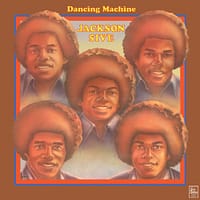
play_arrowDancing Machine
-