Auditeurs:
Meilleurs auditeurs :
-
play_arrow
Radio Funk : Webradio Disco, Funk, Soul and Boogie 80
-
 play_arrow
Radio Funk Live Radio Funk

When Will the Michael Jackson Biopic Drop? Funk History, 70s Disco Vibes and the Soul Behind « Michael »

Biopic Drop
- The official Michael Jackson biopic, simply titled « Michael », is scheduled for a worldwide theatrical release on 24 April 2026.
- Directed by Antoine Fuqua and produced by Graham King (Bohemian Rhapsody), it stars Jaafar Jackson, Michael’s nephew, in the lead role.
- The film promises a sweeping journey from Motown soul and 70s disco to the global pop phenomenon shaped by albums like Off the Wall and Thriller.
- Behind the hype, the story is also about funk history, black music in the 70s, and how that groove still echoes through today’s artists and dancefloors.
Waiting for « Michael » with your speakers on standby
You, yes you, with your turntable ready and that pile of funk and disco 70s vinyl staring at you from the shelf – you’re not the only one asking: “So, when the hell is that Michael Jackson biopic finally coming out?”
The short answer is simple: 24 April 2026, in theaters worldwide, in IMAX for maximum impact.
The long answer, the one that matters to a soul and funk head, is way deeper: this movie is not just a date on a calendar, it’s the moment when an entire slice of funk history lands on the big screen.
The film is called « Michael », it is an officially sanctioned biopic backed by the Jackson estate, produced by Graham King (who already turned Queen’s story into an Oscar magnet with Bohemian Rhapsody) and directed by Antoine Fuqua, a filmmaker known for muscular, emotional storytelling.
At the center of the storm, Jaafar Jackson, Michael’s nephew, takes on the impossible task of incarnating the King of Pop – from kid prodigy in the Jackson 5 to the grown man who turned funk and disco into planetary pop language.
And because this is radiofunk.radio territory, we’re not just going to list cast and dates like a boring press kit.
We’re going to dig into the groove: how the movie fits into the larger story of 70s disco, soul labels like Motown, the Epic Records era, and how those sounds still shape contemporary funk and nu‑disco.
Along the way, you’ll get stories, underrated tracks, label shout‑outs, and a recommended discography and playlist to spin while you wait for the lights to dim in the theater.
Sommaire
- When will the Michael Jackson biopic actually drop?
- From Motown to 70s disco: the funk history behind « Michael »
- « Off the Wall »: the disco-funk masterpiece the biopic cannot ignore
- Thriller, pop domination and the cost of being a groove icon
- Legacy today: modern artists carrying Michael’s funk and disco DNA
- What to spin while you wait: essential albums, tracks and Mixcloud vibes
- FAQ – Your questions about the Michael Jackson biopic
When will the Michael Jackson biopic actually drop?
The official release date – finally
Let’s start with the big one: « Michael » hits theaters worldwide on 24 April 2026.
The film premiered earlier in April 2026 in Berlin, before rolling out globally with IMAX screenings for those who want to feel the kick drum in their chest like a club sound system.
This is after several delays: originally, Lionsgate aimed for an April 2025 release, then pushed to October 2025, and finally locked in the April 2026 slot to give post‑production and reshoots the time they needed.
Behind the scenes, the biopic has been a serious investment: a production budget initially around 155 million dollars, later swollen by additional reshoots and visual effects work to something closer to 200 million, depending on the source.
That’s blockbuster money, the kind usually reserved for superheroes and giant monsters, not for a kid from Gary, Indiana who started singing with his brothers.
But if there’s one thing the industry learned from Bohemian Rhapsody and Rocketman, it’s that music biopics can fill seats when the songs are iconic and the story hits hard.
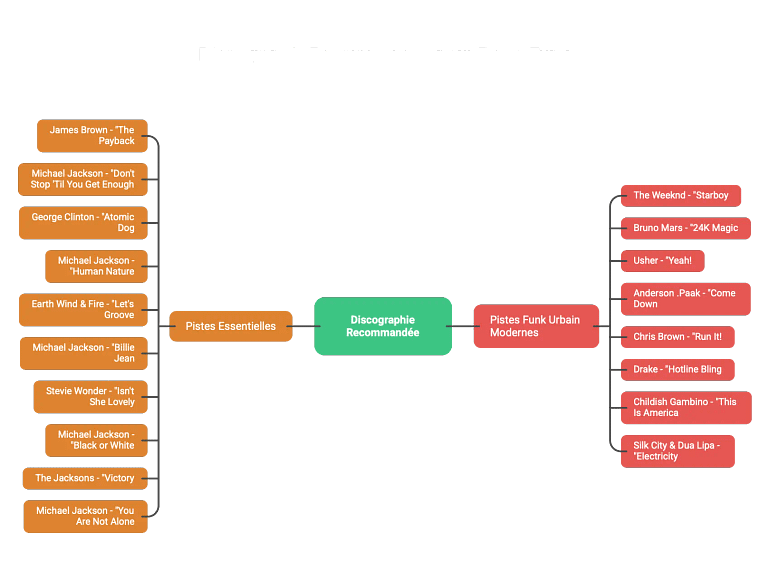
Who’s making « Michael » – and why it matters for funk and disco heads
The biopic is directed by Antoine Fuqua, known for films like Training Day and The Equalizer, who brings a taste for intensity and moral complexity.
Graham King, the producer behind Bohemian Rhapsody, spearheads the project after securing the rights to Michael’s life and catalog from the Jackson estate in 2019, with screenwriter John Logan (who wrote The Aviator and Gladiator) on script duties.
On paper, that’s a team used to telling big, messy, larger‑than‑life stories – exactly what you want when you’re dealing with an artist whose life swings between Motown fairy‑tale, disco‑funk Renaissance, and tabloid nightmare.
For the role itself, Jaafar Jackson was cast after a long search; he’s Jermaine Jackson’s son, making him Michael’s nephew, and he will portray his uncle from the adult years, while young Michael is played by Juliano Krue Valdi.
Michael’s mother, Katherine Jackson, publicly endorsed Jaafar’s casting, saying he « embodies » her son – which is a heavy blessing and a heavy responsibility at the same time for any performer.
For funk and soul lovers, the key promise is this: the film has secured access to Michael’s real recordings, with around 30 songs reportedly woven into the narrative, meaning we should hear the actual Motown cuts, the disco era, and the epochal Epic Records material in full cinematic sound.
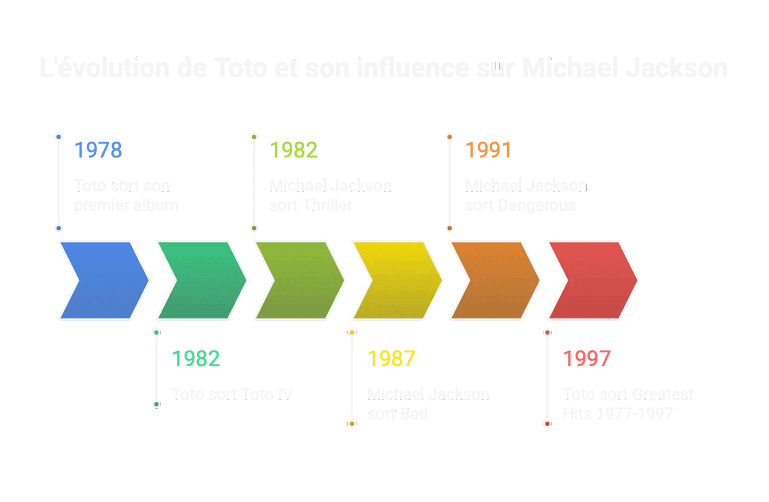
What parts of Michael’s story the film is expected to cover
Official descriptions emphasize a career‑spanning narrative, from Jackson 5 child prodigy to global solo icon, including both triumphs and tragedies.
Early reporting suggested an initial cut running around three and a half hours and even discussions about splitting the story into two films; instead, the team opted to tighten the structure into a single feature, with major reshoots in 2025 reshaping the final act and giving the ending a more triumphant note centered around the Bad tour.
Because the film is authorized by the estate, there has been debate about how deeply it will go into the legal controversies and allegations that haunted Michael’s later career.
Some family members, including Paris Jackson, have publicly criticized earlier drafts of the script as dishonest or incomplete, which shows how charged and sensitive the material remains.
What is clear is that the filmmakers want to present a full‑scale portrait of an artist whose musical genius is inseparable from the eras he moved through – Motown, 70s disco, 80s pop maximalism – all of which are central chapters in funk history and black popular music.
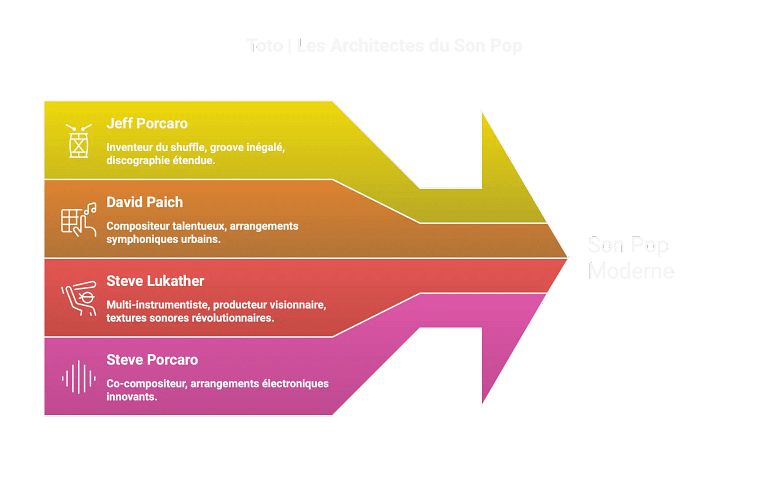
From Motown to 70s disco: the funk history behind « Michael »
Jackson 5, Motown and the sugar‑funk explosion
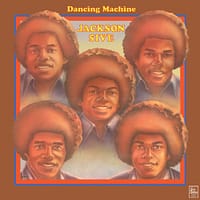
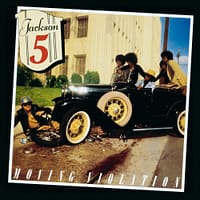
Before Thriller, before moonwalks on national television, Michael Jackson is a Motown kid, fronting the Jackson 5, a group signed to Motown Records in 1969 after being discovered by Bobby Taylor and quickly embraced by Berry Gordy as the label’s next crossover sensation.
Their first Motown singles – « I Want You Back », « ABC », « The Love You Save », « I’ll Be There » – all hit number one on both pop and R&B charts in 1970, fusing psychedelic soul influences from acts like Sly & the Family Stone with a brighter, more bubblegum edge sometimes called « sugar funk ».
This is crucial for any funk history nerd: even when the songs are marketed as kid‑friendly pop, the backing bands, arrangements and grooves are drenched in Detroit soul and early funk DNA.
The Motown machine was still using its legendary studio players and production methods, meaning the Jackson 5’s hits sit right at the crossroads between classic Motown swing and the tighter, more syncopated rhythms that would define 70s funk.
When the biopic shows the early era, if it does its job, it should make clear that Michael’s later command of groove and timing is born in this context: a child on top of a very grown‑up rhythm section.
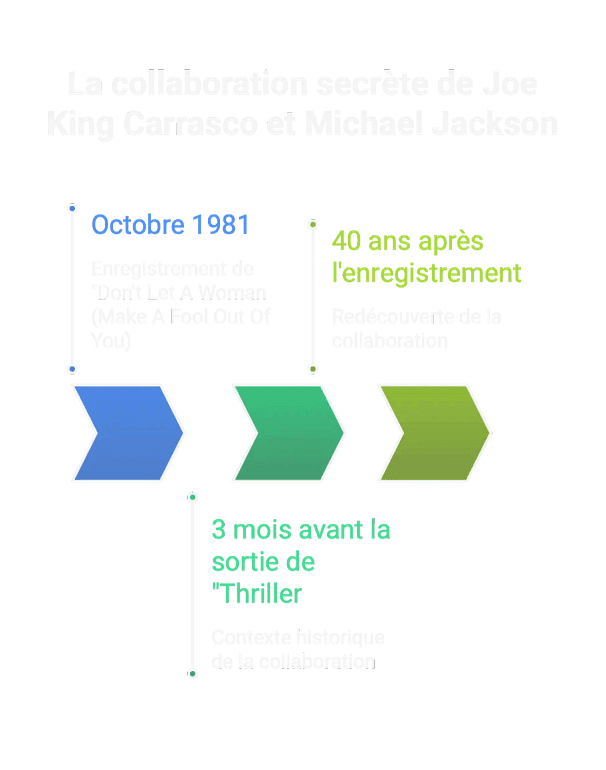
Leaving Motown: stepping toward the disco era
By the mid‑70s, tensions over artistic control, songwriting and production push the Jacksons to leave Motown and sign with Epic Records, part of the CBS/Sony empire.
Motown had been reluctant to let the group write and produce their own material; at Epic, now rebranded as The Jacksons, they gain more creative freedom and begin moving toward the harder, more explicitly funk‑driven sound that was taking over black dancefloors in the 70s.
This label shift is not just a detail in a contract; it is the door opening toward the aesthetic that will lead to Off the Wall.
The funk and disco 70s moment is also shaped by other labels and scenes: Philadelphia International Records with Philly soul and proto‑disco, Salsoul Records blending Latin rhythms with orchestral funk, and Atlantic pushing everything from Aretha Franklin to Chic into the mainstream. When a film like « Michael » covers this period, it has the opportunity to show how Jackson is not an isolated genius but part of a dense ecosystem of bands, producers and labels building a new language of dance music – one that will ultimately give us house, techno and today’s nu‑disco.
How this feeds the SEO‑friendly funk history and 70s disco story
From a « funk history » and « disco 70s » perspective, the early chapters of the biopic are a playground: Jackson 5 as a bridge between Motown’s golden age and the more rhythm‑driven sound of the 70s; the move to Epic as a symbol of Black artists demanding more control; the emergence of full‑album concepts instead of just singles.
If the screenplay leans into these themes, « Michael » can double as an entry‑level course in how funk, soul and disco interacted in the 1970s, even for viewers who only know the big hits.[
For you, as a listener hanging out on radiofunk.radio, this is the sweet spot: the film becomes a gateway to digging deeper into labels, producers and B‑sides that rarely get mainstream attention.
Expect sequences set in Motown studios, references to Berry Gordy, maybe even nods to other acts that populated the same sonic universe – and be ready to chase those vibes back to your decks after the end credits.
« Off the Wall »: the disco-funk masterpiece the biopic cannot ignore
The album that turned a Motown kid into a disco-funk adult
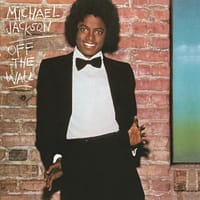
Released on 10 August 1979, Off the Wall is Michael Jackson’s fifth solo album – but more importantly, it’s the record that reintroduces him as an adult artist with his own voice, separate from the Jackson 5 legacy.
Produced by Quincy Jones and released on Epic Records, the album blends funk, disco, soul, pop and jazz into one seamless statement, hailed in retrospect as a landmark of the disco era and one of the greatest albums of all time.
Commercially, it hits number three on the Billboard album chart, spends sixteen weeks at number one on the R&B chart, and becomes the best‑selling album of 1980 in the US, helping to launch a nine‑year collaboration between Jackson and Jones that will change pop forever.
Quincy later explained how intentional the transformation was, describing how they changed keys, expanded Michael’s range and chose songs with more emotional depth to move beyond the cute kid image.
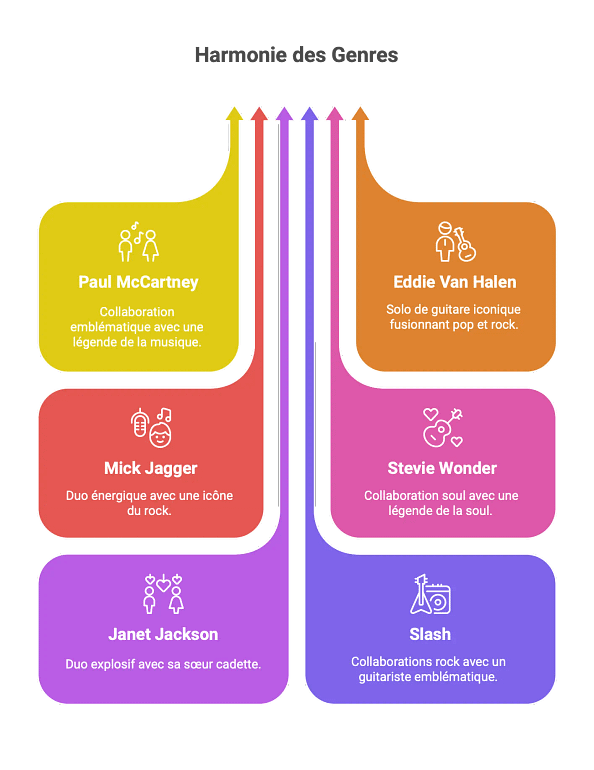
He said they aimed for a distinct blend of « funk, disco‑pop, soul, soft rock, jazz, and pop ballads », and Epic was thrilled when the album generated four Top 10 singles, including « Don’t Stop ’Til You Get Enough » and « Rock With You ».
In other words: Off the Wall is where disco 70s sophistication meets pure funk propulsion, framed by an artist finally in charge of his own direction.
Michael’s own words on disco, rhythm and not putting music in a box
In 1980, when asked how to describe Off the Wall, Michael Jackson refused to let anyone pigeonhole it: « Music is music. If you can dance to it, fine… Call it disco, whatever. It’s dance music… people shouldn’t categorize it racially – it’s for the whole world – because everybody dances. »
He pointed to African drum rhythms, the continuity with rock ’n’ roll and disco, and the idea that the album was about living « off the wall » – going out, getting crazy, and losing yourself on the dancefloor on a Friday night.
That attitude is straight from the core of funk culture: groove first, labels second. From a funk history angle, Off the Wall sits comfortably next to landmark albums like Donna Summer’s Bad Girls or the Bee Gees’ Saturday Night Fever soundtrack, as part of the late‑70s wave that took club music into every living room.
The biopic has every reason to highlight this era not just as a stepping stone to Thriller, but as Michael’s purest funk and disco statement, the moment where the kid trained at Motown becomes a fully fledged architect of groove.
Key facts about Off the Wall – at a glance
Here’s a quick table of essential Off the Wall information to keep in mind while you watch the film or flip through vinyl bins:
| Item | Detail |
| Release date | 10 August 1979 (Epic Records) |
| Producer | Quincy Jones |
| Style | Blend of funk, disco, R&B, pop and jazz |
| Major singles | « Don’t Stop ’Til You Get Enough », « Rock With You », « Off the Wall », « She’s Out of My Life » |
| Chart impact | No. 3 on Billboard albums; 16 weeks at No. 1 on R&B albums; best‑selling US album of 1980 |
| Legacy | Over 20 million copies sold worldwide; inducted into the Grammy Hall of Fame; widely ranked among the greatest albums ever |
For a disco 70s and funk lover, this is the chapter where the biopic’s soundtrack can really go insane: strings, horn stabs, basslines that walk the line between jazz and boogie, and those tight, syncopated rhythms that make even a ballad feel like it’s breathing in 4/4.
Thriller, pop domination and the cost of being a groove icon
Thriller: when a funk-rooted artist takes over the world
If Off the Wall is the connoisseur’s choice, Thriller is the planetary earthquake.
Released on 30 November 1982, Thriller becomes the best‑selling album of all time worldwide, with estimates around 67 million copies sold globally according to Guinness World Records and other major references.
The album tops charts across continents, earns Diamond certifications in multiple countries, and remains a perennial catalog seller, still moving significant units decades after its release.
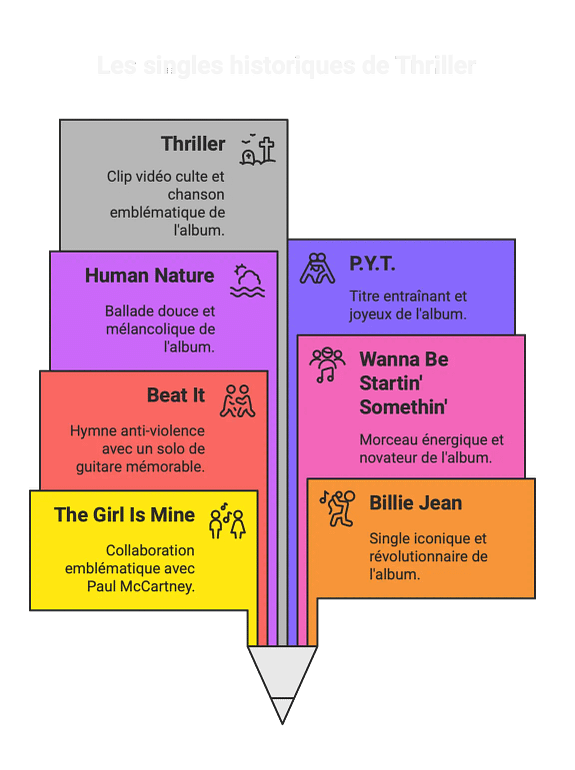
Musically, though, the core is still funk meets rock meets post‑disco groove: « Billie Jean » is built on a minimalist but incredibly tight bassline and drum pattern; « Beat It » brings rock guitar energy on top of a dancefloor pulse; « Wanna Be Startin’ Somethin’ » pushes Afro‑funk and call‑and‑response into mainstream pop.
The biopic, if it is honest to the groove, will show that the so‑called « King of Pop » is, structurally, still a funk and soul artist using pop as a broadcasting system.
Visuals, videos and the birth of the modern pop spectacle
Part of Thriller’s power – and something the film will almost certainly emphasize – lies in music videos and live performance.
The « Thriller » video, directed by John Landis, is widely regarded as one of the most ambitious and influential music videos ever, a 14‑minute short film that helped redefine what the form could be and was later inducted into the US National Film Registry.
Combined with the Motown 25 performance where Michael debuts the moonwalk, these visuals cement a template for pop superstardom that everyone from Prince to Beyoncé and The Weeknd has had to respond to.
For a funk and disco perspective, it’s also the moment when club culture aesthetics, horror cinema, and Black dance traditions collide on mainstream television.
The biopic can use these sequences as emotional peaks, but also as history lessons: how a young man trained in Motown showmanship took advantage of MTV, global broadcasting and the music video boom to extend the language of funk and soul performance into a new era.
The cost: pressure, controversy and the shadow side of genius
No honest story about Michael can avoid the darker threads: intense media scrutiny, physical transformation, legal battles, and allegations of abuse that have fueled decades of debate and division.
Reports indicate that early versions of the biopic script leaned heavily on these controversies, with one cut apparently centering the narrative around the Jordan Chandler allegations before reshoots rebalanced the focus and changed the ending.
From a musical point of view, this is where the distance between the groove and the persona becomes painful: an artist whose best work is rooted in collective joy, Black musical traditions and funk history finds himself trapped in a tabloid circus.
For funk and soul fans, the hope is that « Michael » neither sanitizes the story nor forgets that behind the scandal headlines is someone whose contributions sit in the same long continuum as James Brown, Sly Stone, Stevie Wonder and the entire disco 70s wave.
Legacy today: modern artists carrying Michael’s funk and disco DNA
The lines from Jackson 5 and Off the Wall into modern funk
Listen to contemporary artists like Bruno Mars, Anderson .Paak, Daft Punk’s later work, or the nu‑disco and modern boogie scenes, and you hear obvious traces of Michael’s 70s and early 80s output: tight rhythm guitar, dry snare hits, basslines that bounce instead of just thud, and call‑and‑response vocals lifted straight from Motown and gospel traditions.
Even when they’re not explicitly copying him, they’re working inside the same grammar of funk history that runs from Jackson 5’s sugar‑funk singles through Off the Wall and Thriller.
Modern R&B and pop rely on the fusion template that Michael and Quincy perfected: funk and disco rhythm sections, pop songcraft, rock guitar textures, and cinematic arrangements.
That’s why the upcoming biopic matters for new generations: a good film can make listeners go back to the source and realize that the grooves on their playlists trace back to songs recorded on analog tape by musicians sweating in a room together, under label logos like Motown and Epic that still resonate on vinyl spines.
Biopic as gateway drug to funk and disco 70s
For younger viewers who mainly know Michael Jackson from memes, playlists or headlines, « Michael » can function as a gateway drug to 70s disco and soul: a first exposure to the Jackson 5’s Motown era, to the lush arrangements of Off the Wall, to the raw live energy of early tours.
The inclusion of thirty or so original songs means the film is, effectively, a curated listening session mapped onto a life story, with the potential to send people down rabbit holes toward Philly soul, Salsoul 12-inches, P‑funk, and beyond.
For a station like radiofunk.radio, this is an opportunity: every new wave of interest in Michael’s catalog is also a wave of curiosity about the wider ecosystem of funk and disco artists that surrounded him.
Programming themed shows around the biopic’s release – focusing on Motown deep cuts, Epic‑era B‑sides, or 70s uptempo soul – can channel that curiosity into deeper musical education and pure dancefloor joy.
Contemporary controversies and the ethics of listening
Of course, the question of how – or whether – to celebrate Michael Jackson in 2026 remains complex, given the unresolved debates and differing perspectives around the allegations explored in documentaries like Leaving Neverland.
Some fans separate the art from the artist; others choose to step back; many are somewhere in the middle, listening with a mix of awe and discomfort.
A well‑made biopic won’t fix that tension, but it can at least acknowledge the full picture, rather than offering a sanitized legend or a one‑note condemnation.
For funk and soul heads, the key is to keep the conversation nuanced: recognize the immense cultural and musical impact of albums like Off the Wall and Thriller, while remaining clear‑eyed about the human being behind the myth and the power structures that have long shielded stars from accountability.
What to spin while you wait: essential albums, tracks and Mixcloud vibes
Essential Michael Jackson albums for funk/disco heads
While you’re counting down to 24 April 2026, here’s a short, focused discography to (re)discover the funk and disco 70s roots the biopic will touch on:
- The Jackson 5 – early Motown singles (1969–1971): « I Want You Back », « ABC », « The Love You Save », « I’ll Be There » – sugar‑funk perfection forged in the Motown hit factory.
- The Jacksons – The Jacksons (1976) / Destiny (1978): first Epic era albums where the brothers push toward a heavier funk sound and take more control over writing and production.
- Michael Jackson – Off the Wall (1979): the essential disco‑funk statement; every track is a lesson in groove and arrangement.
- Michael Jackson – Thriller (1982): world‑dominating, genre‑blending masterpiece that still rests on funk and post‑disco foundations.
- Michael Jackson – Bad (1987): slicker, more digital, but still packed with syncopation, sharp horn lines and dancefloor‑ready cuts that the biopic’s finale reportedly leans toward.
Key tracks for a « Michael » pre-game playlist
To really feel the arc the film will cover, build (or look up) a playlist that walks through each era:
- Motown era: « I Want You Back », « ABC », « Never Can Say Goodbye » – pure Jackson 5 sugar‑funk, packed with bass, fuzz guitar and call‑and‑response hooks.
- Transition era: « Enjoy Yourself » and « Blame It on the Boogie » by The Jacksons – moving from soul/pop into full‑blown disco funk.
- Off the Wall era: « Don’t Stop ’Til You Get Enough », « Rock With You », « Get on the Floor » – essential disco 70s floorfillers with jazz‑funk flourishes.
- Thriller era: « Billie Jean », « Wanna Be Startin’ Somethin’ », « P.Y.T. » – the sound of funk history going global.
- Bad era: « Another Part of Me », « Smooth Criminal » – sharper, more aggressive rhythms, neon‑lit funk for the late 80s.
You can recreate this on your platform of choice, or dig into curated Mixcloud sets that explore Michael’s catalog in a DJ‑friendly way – blends that connect him to other Salsoul, Philly soul and early 80s boogie cuts.
Mixcloud vibes and how to go deeper
On Mixcloud and similar platforms, look out for:
- All‑45s Motown sets where Jackson 5 singles slide between Marvin Gaye, The Temptations and rare Northern soul sides – perfect for hearing that early sugar‑funk in context.
- Late 70s disco and boogie mixes built around Off the Wall‑era tracks, with transitions into records from labels like Salsoul, Prelude or Philadelphia International.
- 80s funk and post‑disco specials that chain « Billie Jean » or « Wanna Be Startin’ Somethin’ » into cuts by Prince, The Gap Band, or Evelyn « Champagne » King.
That’s the spirit in which « Michael » should ideally be watched: not as a museum piece, but as a live set of memories and grooves, a starting point to explore deeper and wider across the funk, soul and disco landscape.
FAQ – Your questions about the Michael Jackson biopic
When will the Michael Jackson biopic be released?
The authorized biopic « Michael » is scheduled for worldwide theatrical release on 24 April 2026, with IMAX showings included in the rollout.
What is the movie called?
The film is simply titled « Michael », signaling a focus on the person behind the « King of Pop » brand, from his Jackson 5 childhood to his solo superstardom.
Who plays Michael Jackson in the biopic drop?
Michael is portrayed by his nephew Jaafar Jackson, the son of Jermaine Jackson, with Juliano Krue Valdi playing young Michael; the casting followed a long search and has been publicly backed by Katherine Jackson.
Who is directing and producing the film?
The biopic is directed by Antoine Fuqua and produced by Graham King, who previously produced Bohemian Rhapsody; the script is written by John Logan, known for The Aviator and Gladiator.
Will the film include Michael Jackson’s real music?
Yes. The project was developed in agreement with the Michael Jackson estate, giving the filmmakers access to Michael’s catalog, and reports indicate around 30 songs will be featured in the film.
Will the movie address the controversies and allegations?
Early reports and industry coverage suggest that the script has gone through several versions, including a darker cut that focused heavily on abuse allegations, before reshoots reshaped the narrative and ending.
As an authorized biopic, it is expected to address controversial aspects of Michael’s life, but the exact balance between celebration and critique remains to be seen.
How does the film relate to funk history and 70s disco?
« Michael » traces Jackson’s journey from Motown child star through the disco‑funk transformation of Off the Wall into the pop dominance of Thriller and beyond, effectively mapping a path through key phases of funk history and disco 70s culture.
What should I listen to before watching the biopic?
Start with Jackson 5 Motown singles, Off the Wall, Thriller and Bad, then branch out into related artists on Motown, Epic, Salsoul and Philadelphia International to fully feel the context behind the soundtrack.
Why does this biopic matter for funk, soul and radio funk culture?
Because Michael Jackson’s story is not just about pop dominance – it is rooted in Black American music, from church and Motown through 70s disco and 80s funk‑infused pop, all of which sit at the heart of what a station like radiofunk.radio celebrates every day.
Funk history on the big screen, speakers wide open
So here you are, waiting for 24 April 2026, maybe with « Don’t Stop ’Til You Get Enough » already cue‑up, asking when the Michael Jackson biopic will finally land – the answer is: very soon, and with enough firepower to shake both cinema subwoofers and your own funk history.
With Antoine Fuqua in the director’s chair, Graham King producing, Jaafar Jackson embodying his uncle, and the Jackson estate’s catalog unlocked, « Michael » has all the ingredients to become not just another music movie, but a full‑scale, funk‑rooted, disco‑powered biography.
For DJs, vinyl diggers, and soul heads, the move now is simple: use the film as a compass, not a destination.
Let it point you back to Motown 45s, Epic LPs, Salsoul 12‑inches and Philly soul deep cuts, then build your own story set by set, mix by mix.
There’s a whole universe of groove around Michael’s discography, and it keeps feeding new generations of artists, from nu‑disco producers to pop heavyweights picking up his rhythmic tricks.
And when the lights come back up in the cinema, don’t just go home – go straight back to the music.
Put on Off the Wall, drop the needle on a Jackson 5 single, or tune in to a dedicated funk, disco and soul station and let the grooves remind you why this story matters in the first place.
That’s how you keep the funk history and disco 70s spirit alive: not just by watching it on screen, but by playing it, loud, again and again.

Articles similaires


Latest news
Now on air
Upcoming shows
Top Funk
-

1
play_arrowThe Life of the Party
-
2
play_arrowHoney Love
-
3
play_arrowI Can't Help It
-
4
play_arrow(You Were Made) Especially for Me
-
5
play_arrowDancing Machine
-