Auditeurs:
Meilleurs auditeurs :
-
play_arrow
Radio Funk : Webradio Disco, Funk, Soul and Boogie 80
-
 play_arrow
Radio Funk Live Radio Funk


Michael Jackson, born in 1958 in Gary, Indiana, starts out as a child prodigy in the Jackson 5 on Motown before becoming the global icon you know as the King of Pop.
He explodes as a solo artist with Off the Wall in 1979, building a magic bridge between funk, disco and pop, then blows every record out of the water with Thriller, the best‑selling album of all time, certified over 33 times platinum in the US and beyond 70 million copies worldwide.
His story is also a long fight for artistic control, some seriously dodgy label deals, and a massive impact on R&B, new jack swing, pop and even today’s funk scene.
What matters for us on radiofunk.radio is how this kid from Gary injected groove, funk and soul into global pop – and why his records are still deadly weapons for any DJ, vinyl head or simple lover of damn good music.
Michael Jackson, the funk kid who conquered pop
Listen up.
Yeah, you. With the records stacked by the turntable, that overflowing funk/disco playlist, and those speakers just begging for something heavy.
Today we’re talking about a guy you think you know, but whose story is even funkier, messier and more insane than you imagine: Michael Jackson, the so‑called “King of Pop”, but first and foremost a child of funk and disco who rewrote the rulebook.
People reduce him to Thriller, the moonwalk, and those videos that blew MTV wide open. But if you dig a little deeper, you find a journey that starts in sweaty clubs, Motown studios, vocal harmonies straight out of The Temptations, and syncopated rhythms born from pure 70s funk history. This isn’t just another success story. It’s a deep dive into funk history and 70s disco, with a gifted kid caught between a ruthless manager father, sketchy label contracts and an obsession with artistic control that would change everything.
In this article, we’re going era by era: from the Motown days to the Off the Wall/Thrillerexplosion, through darker, heavier albums like Bad and Dangerous, all the way to the modern legacy – the artists sampling him, referencing him, or extending his work. We’ll talk labels(Motown, Epic, Sony), key producers like Quincy Jones, terrifying sales numbers, but above all: groove. How this man smuggled funk into the mainstream, and why even today, a serious disco/funk set without at least one MJ nod feels… incomplete.
Crank it up, drop the needle – we’re going in.
Funk & Soul Roots: From Gary to Motown
A Gary Kid Raised on Rhythm & Blues
Michael Joseph Jackson is born on August 29, 1958, in Gary, a gritty steel town in Indiana, in a big Black family where music is more than a hobby – it’s the exit door. His father Joe, a frustrated former guitarist, quickly turns the living room into a rehearsal space, the Jackson boys into a working band, and childhood into a military‑style music camp. It’s the late 60s and funk is rising: James Brown is screaming on the radio, Sly & The Family Stone are fusing rock, soul and psychedelia, and Motown’s assembly line is flooding the charts with hits.
In the middle of all that noise, Michael develops the groove sense that will never leave him: he spins 45s nonstop, copies James Brown’s moves, soaks up gospel harmonies and the northern soul swing of Detroit. Very early on, he gets the basic rule: if the rhythm doesn’t move hips, the track is dead. And for a future King of Pop, that’s one hell of a foundation.
The Motown Signing: The Hit Factory
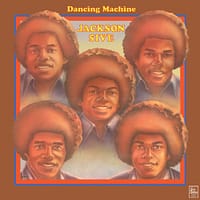
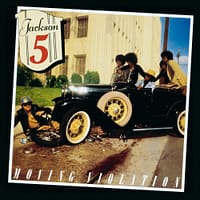
In 1968, the Jackson 5 land the audition of their lives and sign with Motown, Berry Gordy’s label that already shaped the sound of Marvin Gaye, The Supremes and The Temptations. The group becomes a hit machine: I Want You Back, ABC, The Love You Save, I’ll Be There… all smash singles that install young Michael as the lead voice, flipping from raw soul screams to almost feminine tenderness in a split second.
Musically, it’s the sweet spot between party soul à la Motown, funk‑tinged bass lines and insanely catchy radio‑ready melodies. But behind the glitter, the deal is anything but funky: ridiculous royalties, zero control over songs, production or image – the label owns everything. It’s one of the ugliest deals of that era: the group earns around 2.7% in royalties while the records sell in the millions.
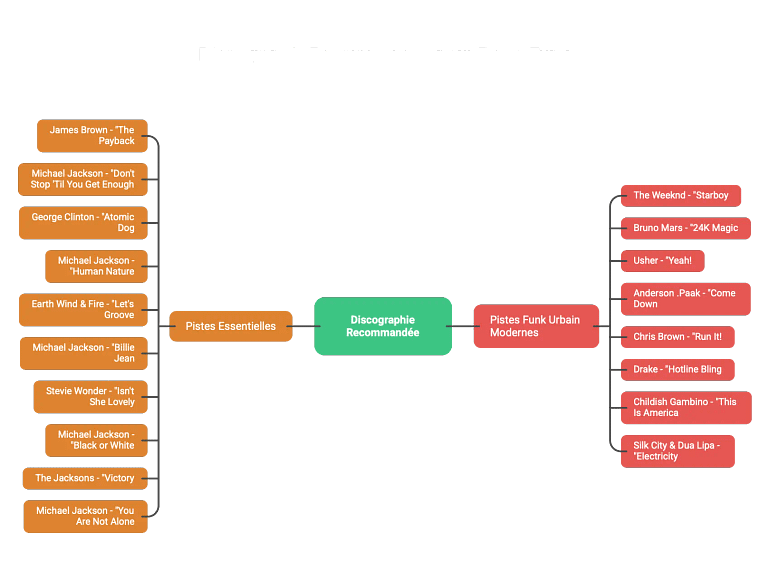
Table of the First Major Milestones
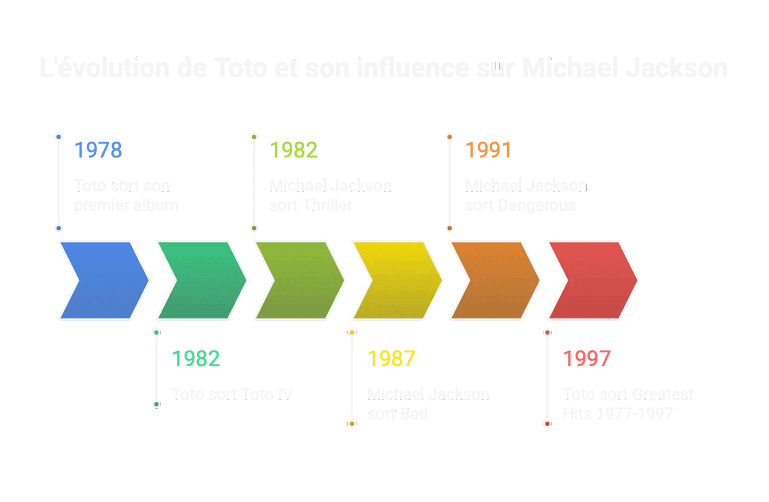
This table is basically the trajectory of an artist who starts in formatted soul and ends up with almost total control over a sound that blends funk, disco and pop.
From Jackson 5 to The Jacksons: Escaping the Machine
Leaving Motown: The Battle for Musical Freedom
By the mid‑70s, the Jackson 5 are suffocating. They want to write, produce, and steer their own musical direction, but Motown keeps them on a tight leash. In 1975 they announce they’re leaving the label and signing with Epic Records (a CBS subsidiary), with a much better deal and, most importantly, more artistic freedom. Motown fires back, keeps the “Jackson 5” name, and the group is reborn as The Jacksons.
Their first Epic albums, produced by Philly soul legends Kenny Gamble & Leon Huff, set up a more grown‑up funk: sharper rhythm guitars, heavier bass, lush strings and horns in classic Philadelphia style. We’re no longer in teeny‑bop Motown territory – this is the direct prequel to Off the Wall: one foot in disco, the other in funk.
Destiny and Triumph: Michael Takes Control
With Destiny in 1978, things really flip: the Jackson brothers finally get full control over writing and production. The single Shake Your Body (Down to the Ground), co‑written by Michael and Randy, becomes a dancefloor anthem and a mission statement for the blend of funk, disco and pop that will define MJ’s solo sound.
On Triumph (1980), you can already hear the future King of Pop testing his formulas: stacked vocals, complex harmonies, ultra‑tight grooves, rhythmic obsessions that will soon become his trademark. For you DJs and curators, these albums are goldmines: less overplayed than « Thriller », packed with funk bombs that light up any serious dancefloor.
« Shake Your Body (Down to the Ground) » is one of MJ’s first true adult funk manifestos: an irresistible groove, production that’s both disco and organic, and that way he turns every ad‑lib into a rhythmic weapon.
Off the Wall & Thriller: When Disco Meets Global Pop
Off the Wall: The Late-70s Disco-Funk Manifesto
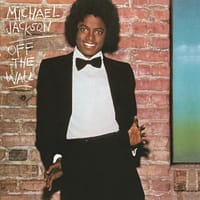
In 1979, Michael drops Off the Wall, his first major adult solo album, produced by none other than Quincy Jones, a veteran of jazz, rhythm and blues and lush pop arrangements. This is where everything clicks: Don’t Stop ’Til You Get Enough, Rock with You, Off the Wall – tracks that offer a perfect bridge between late‑70s disco, deep funk, and an ambitious pop that refuses to talk down to listeners.
The record lays down some crucial rules: elastic grooves, bass front and center, razor‑sharp funk guitars, delicate percussion, and Michael using his voice as a full‑on percussive instrument. The album produces four US Top 10 hits, with Don’t Stop ’Til You Get Enough and Rock with Youboth hitting number one. For radio and clubs, it’s a game changer: you can drop Earth, Wind & Fire and slide straight into « Don’t Stop » without anyone blinking.
Thriller: The Album That Blew the Counters Sky-High
In 1982, MJ and Quincy come back with Thriller, and they’re not just trying to match « Off the Wall » – they want to rewrite the rules of the industry. Disco has been through the backlash, but the clubs are still alive, just evolving. « Thriller » blends pop, post‑disco, R&B, rock and funk with brutal efficiency.
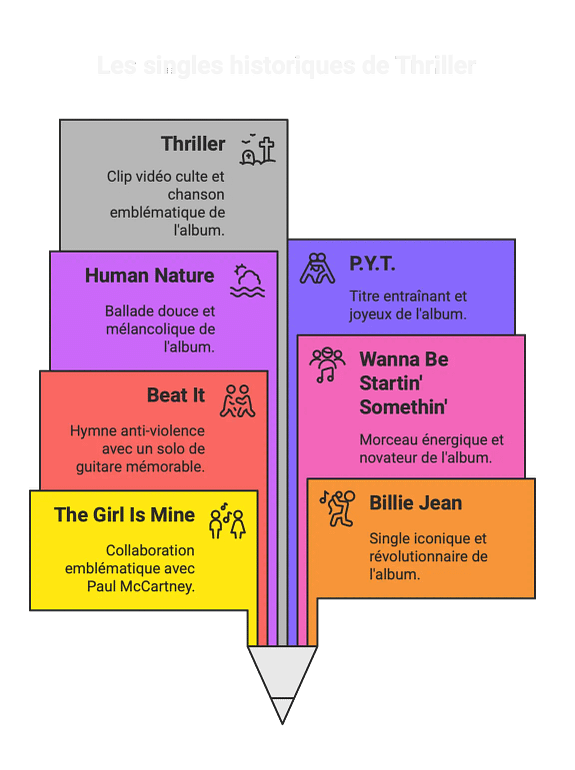
The numbers are obscene: 37 weeks at number one in the US, seven Top 10 singles, « Billie Jean » and « Beat It » both hitting number one, and worldwide sales surpassing 70 million certified copies, with over 33 million in the US alone. The album is certified over 30x platinum by the RIAA and recognized as the best‑selling album in history.
Musically, it’s a DJ’s dream toolbox: the dark, elastic bassline of « Billie Jean », the high‑tension funk of « Wanna Be Startin’ Somethin’ », the rock/funk fusion of « Beat It », and of course the title track « Thriller » – the one that turns the music video into a short film and pushes MTV into a whole new era.
The cultural impact of Thriller
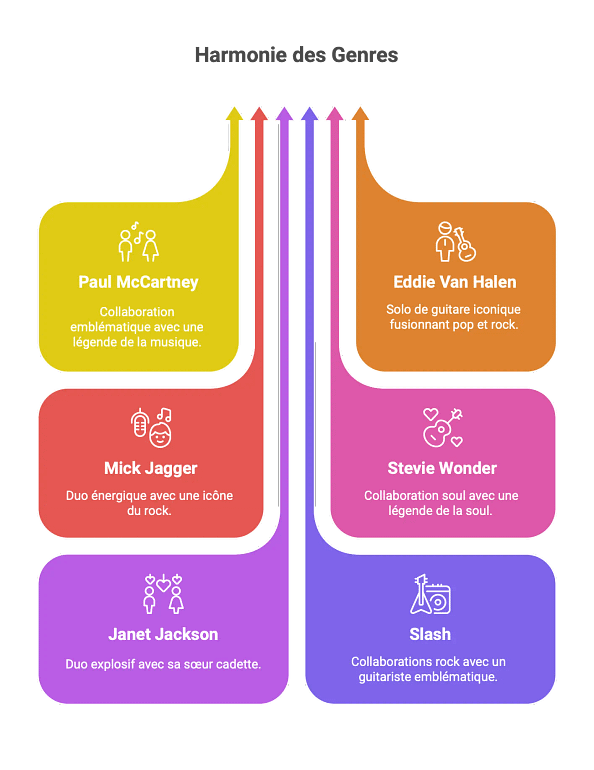
« Thriller » doesn’t just sell records, it smashes racial barriers on television, establishes the music video as an art form, and forces mainstream media to treat a Black artist as a global superstar they can’t ignore.
For funk history, this is a turning point: funk’s sound and codes, filtered through pop, go planetary.
Bad, Dangerous and Beyond: The Superproduction Era
Bad: The Reign Continues
In 1987, Michael returns with Bad, once again produced by Quincy Jones, in a world where he’s already at the top of the food chain. The pressure is insane, but the result is still massive: multiple number‑one singles, a tougher, more electronic sound that locks right into the late‑80s while keeping the groove alive. Bad is certified Diamond in the US, crossing the 10‑million‑sales mark.
The funk hasn’t gone anywhere – it’s just mutated: drum machines, sharper synths, more aggressive guitar riffs. For a late‑80s disco/funk‑oriented set, tracks like Another Part of Me, Smooth Criminal, or Bad itself are pure dynamite: perfect tempos, percussive arrangements, hooks that stick for days.
Dangerous : new jack swing, gospel
With Dangerous in 1991, Michael switches main partners and dives in deep with Teddy Riley, architect of new jack swing. Now we’re smack in the middle of a collision between classic funk/soul and hip‑hop energy: heavy kicks, snapping snares, nasty synth bass, samples and loops stacked on top of each other.
Tracks like Remember the Time or Jam connect 70s soul, 80s funk and 90s R&B in one smooth movement. On « Dangerous », MJ walks a tightrope between global pop and a very urban sound, with rhythmic ideas drawn straight from the funk playbook. For DJs, it’s the perfect bridge to slide from funk/disco sets into 90s R&B/hip‑hop without losing the thread.
The later albums: HIStory, Invincible and the complicated legacy
Later albums – HIStory (a double project half‑greatest hits, half new material) and Invincible – keep juggling grandeur, groove and more electronic experiments. Sales are still huge, but the landscape has changed: new competitors, and scandals eating more and more media space.
Even there, you’ve got slept‑on grooves: Scream, the duet with Janet, is a perfect electro‑funk punch to wake up any 90s‑flavored dancefloor, and cuts like You Rock My World prove MJ can still build an old‑school, feel‑good groove in an era dominated by modern R&B templates.
Legacy, samples and inspired contemporary artists
Michael’s funk/disco footprint on modern music
Beyond the stats and records, Michael Jackson’s legacy lives inside the work of a whole generation of funk, R&B and pop artists. His bass‑driven melodies (« Billie Jean »), orchestral arrangements drawn from 70s funk, his syncopated, percussive singing – all of that echoes through modern music.
Artists and producers like Bruno Mars, The Weeknd, or even Daft Punk on « Random Access Memories » are clearly walking in his footsteps: taking classic funk/disco vocabulary and re‑injecting it into a pop framework that’s radio‑ready but still respects the groove. In more underground circles, nu‑disco, modern boogie and future‑funk producers are openly borrowing from his 80s sound: tight claps, stacked vocal harmonies, warm synth pads, ultra‑singable bass lines.
Labels, Rights and Business: The MJ Lesson
Michael’s story is also a brutal business lesson. From Motown to Epic Records (CBS) and then Sony, he went through abusive contracts, battles over master ownership, and posthumous fights over his catalog. His longtime producer Quincy Jones even sued Sony and the MJ estate over royalty disputes and unauthorized remixes on posthumous projects.
For you – curators, DJs, record collectors – this part of the story is a harsh reminder: behind every funk/disco classic, there’s often an unfair deal and a war over rights. Michael ultimately secured record‑breaking royalties – up to around two dollars per album sold at the « Thriller » peak, an industry milestone – but he had to crawl through years of lopsided contracts to get there.
Focus: artists to check out if you dig MJ’s funk/disco side
If you want to ride the same wave, dig into:
-
70s albums by Earth, Wind & Fire for complex funk/disco arrangements.
-
Teddy Riley productions (Guy, Blackstreet) for the direct line between MJ and new jack swing.
-
Early Bruno Mars records (« 24K Magic ») that wear the MJ/80s funk DNA proudly on their sleeve.
These artists all extend that blend of groove, irresistible melody and polished production that defines Michael Jackson’s signature.
Essential discography, mixes and gems to rediscover
Essential albums to understand his connection to funk and disco
If you want to really understand Michael Jackson’s place in funk history and 70s/80s disco, here’s a must‑play list – ideally on vinyl, obviously:
-
« Diana Ross Presents The Jackson 5 » (1969) – The Motown beginnings: juvenile soul plus early funky vibes.
-
« Destiny » (The Jacksons, 1978) – The moment the family takes control, with « Shake Your Body (Down to the Ground) » as a dancefloor manifesto.
-
« Off the Wall » (1979) – The disco‑funk masterpiece, maybe MJ’s most beloved album among crate‑diggers.
-
« Thriller » (1982) – The record that broke every metric; worth revisiting beyond the overplayed singles.
-
« Bad » (1987) – A more electronic funk feel, perfect for that late‑80s club atmosphere.
-
« Dangerous » (1991) – The bridge into new jack swing and 90s R&B.
Essential tracks for an MJ-tinged funk/disco set
Looking for specific tracks to drop into a set or mix that travels through funk history and 70s disco with a pop twist? Here are some sure‑shot bombs:
-
« Shake Your Body (Down to the Ground) » – The Jacksons: perfect for raising the temperature, with a totally unstoppable groove.
-
« Don’t Stop ’Til You Get Enough » – Michael Jackson: the ideal lift‑off for a disco/funk dancefloor.
-
« Rock with You » – Michael Jackson: for the smoother phase, a silky, soulful slow‑disco vibe.
-
« Wanna Be Startin’ Somethin’ » – Michael Jackson: maximum rhythmic tension, great for transitioning into Afro or more percussive sounds.
-
« Billie Jean » – Michael Jackson: handle with care because it’s ultra‑famous, but on vinyl in a funk‑oriented context, it still kills.
-
« Another Part of Me » – Michael Jackson: a mid‑tempo funk gem on « Bad » that’s criminally underrated.
À écouter sur Mixcloud & en mode digging
To go deeper, certain MJ/funk/disco‑centered mixes and selections on Mixcloud and other DJ platforms are absolutely worth your time:
-
Special disco/funk edits of « Don’t Stop ’Til You Get Enough » and « Shake Your Body », with extended breaks and boosted bass for club use.
-
Mixtapes focused on the 1978–1983 period, chaining The Jacksons, MJ solo, Quincy Jones and the whole studio galaxy around them (Greg Phillinganes, Louis Johnson, etc.).
-
Sets that blend new jack swing and MJ’s Dangerous era, perfect to illustrate the funk → 90s R&B transition.
Ohhh yeah, there’s more than enough here to keep you digging for hours and feeding your own radio shows, mixes or playlists.
FAQ : Michael Jackson and the groove funk/disco
Is Michael Jackson really a funk/disco artist, or just pop?
Michael Jackson is often branded the « King of Pop », but his music is deeply rooted in soul, funkand disco, especially across the Jackson 5, The Jacksons, « Off the Wall » and « Thriller » eras. His bass lines, grooves and choice of producers (Quincy Jones, Teddy Riley, Gamble & Huff) place him right at the crossroads of those genres.
Why is « Off the Wall » so important for funk and disco fans?
« Off the Wall » is considered one of the great disco‑funk manifestos of the late 70s, blending groove, harmonic sophistication and an irresistible pop sensibility. It’s the album where MJ truly finds his adult voice and sonic identity.
Is « Thriller » still relevant for a funk/disco DJ or curator today?
Absolutely. Beyond the overplayed hits, « Thriller » is packed with post‑disco and R&B grooves that still work wonders in a club, especially in edits, remixes or on a well‑timed vinyl spin. Tracks like « Wanna Be Startin’ Somethin’ » or « P.Y.T. » remain dancefloor weapons.
Which labels were the most important in Michael Jackson’s career?
The two key labels are Motown, where he starts out with the Jackson 5, and Epic Records (CBS, later part of Sony), where he records « Off the Wall », « Thriller », « Bad », « Dangerous » and everything that follows. Those labels frame his whole evolution, from formatted teen soul to global superstar with serious artistic control.
Which current artists best carry forward Michael Jackson’s funk/disco legacy?
Artists like Bruno Mars, The Weeknd, and certain Daft Punk projects very clearly extend MJ’s legacy by fusing funk, disco, R&B and modern pop. In the more underground world, many nu‑disco and modern boogie producers borrow heavily from his 80s production codes.
A child of funk for all eternity.
Strip away the pop icon circus, the scandals, the myths and all the noise – what’s left?
A kid from Gary, Indiana, raised on soul, funk and disco, who figured out very early that groove could conquer the world.
From his first Motown singles to the giant Epic/Sony productions, Michael Jackson kept pulling pop downwards – toward the bass, the rhythm, the body.
For you – listener, DJ, collector or just a hardcore music lover – revisiting Michael Jackson through funk history and 70s/80s disco isn’t nostalgia, it’s reconnection.
You rediscover a catalog built for dancers, for mixes, for bold transitions across eras and genres.
And if you want to keep that feeling going without overthinking it, just lock into radiofunk.radio: we’re here to keep that energy alive, connecting MJ’s classics to the whole galaxy of grooves that shaped him – and the ones that he, in turn, inspired.
Let me tell you something: turn it up, let the bass take over, and never forget – behind every moonwalk, there’s always one hell of a funk beat.
Articles similaires


Latest news
Now on air
Upcoming shows
Top Funk
-

1
play_arrowThe Life of the Party
-
2
play_arrowHoney Love
-
3
play_arrowI Can't Help It
-
4
play_arrow(You Were Made) Especially for Me
-
5
play_arrowDancing Machine
-